
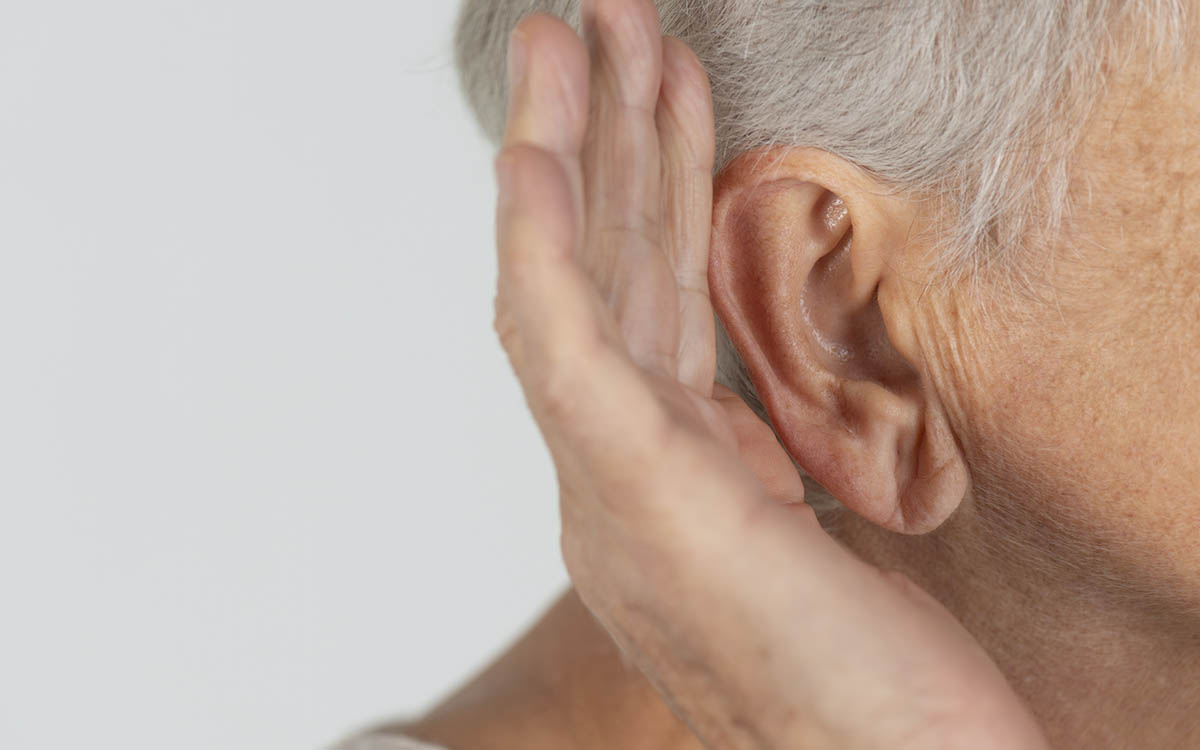
Most people associate hearing loss with getting older, but for millions of Americans, auditory trauma initiates much earlier in life. As one of the most prevalent and avoidable types of auditory impairment, noise-induced hearing loss typically progresses slowly, but it often occurs gradually and goes unnoticed until the effects are permanent.
Grasping the longitudinal impact of sound exposure on the auditory system allows for preventative measures prior to the onset of clinical hearing loss.
Pathophysiology of Sound-Induced Auditory Trauma
The pathology of noise-induced hearing loss involves trauma to the sensitive anatomical structures within the inner ear. According to the Centers for Disease Control and Prevention, auditory impairment may begin with chronic exposure to noise levels over 85 decibels. Intense noise sources, specifically firearms or industrial tools, can compromise hearing integrity within a very brief timeframe.
Within the cochlea are specialized sensory structures referred to as hair cells. The function of these cells is to transduce mechanical vibrations into neural impulses for cerebral processing. Following injury, these hair cells lack the biological capacity to regenerate, which renders noise-related hearing loss an irreversible condition.
Analyzing the Accumulation of Ear Damage
The insidious nature of noise-induced hearing loss is highlighted by its gradual developmental timeline. Initial signs of auditory overexposure may present as:
- Occasional instances of Tinnitus, characterized by ringing or buzzing sounds
- A feeling of muffled hearing after loud events
- Challenges involving speech comprehension within high-noise settings
The cessation of these early symptoms often leads to the false perception that the auditory system has fully healed. Actually, subsequent noise events continue to degrade internal ear structures, steadily eroding hearing precision.
Statistics from the HLAA suggest that 48 million Americans have some form of hearing loss, often without recognizing the contributing factors.
Recognizing Everyday Decibel Levels Impacting Auditory Longevity
We live in a noisy world, and it’s easy to become desensitized to loud sounds. Consequently, the frequency of hazardous noise exposure is often underestimated.
Identified hazardous sources may include:
- Professional music performances and concert environments
- The use of headphones at unsafe volume settings
- Motorized landscaping equipment, power machinery, and vehicles
- Industrial workplace environments such as warehouses and construction sites
The everyday occurrence of these sounds allows for progressive damage to develop without obvious warning.
Why Auditory Prophylaxis Remain a Critical Priority
Noise-induced hearing loss is physiologically irreversible, unlike many other health impairments. The condition is, however, susceptible to effective preventative strategies. Adopting straightforward preventative behaviors can markedly decrease the likelihood of injury, including:
- The application of earplugs or attenuation earmuffs in loud areas
- Lowering headphone volume and following the “60/60 rule”
- Taking listening breaks to give your ears time to recover
- Maintaining regular clinical screenings and Audiology visits
When to Consult with Professional Audiology Services
If you notice persistent ear ringing, difficulty following conversations, or changes in hearing clarity, you should seek evaluation from a hearing professional. Early intervention through an Audiologist allows for the monitoring and implementation of essential protective measures.
Implementing protective measures today safeguards your auditory capacity for the years ahead. Exposure to noise is frequent, yet hearing loss can be successfully avoided through proper care. We invite you to schedule an appointment with our team to optimize your hearing function.