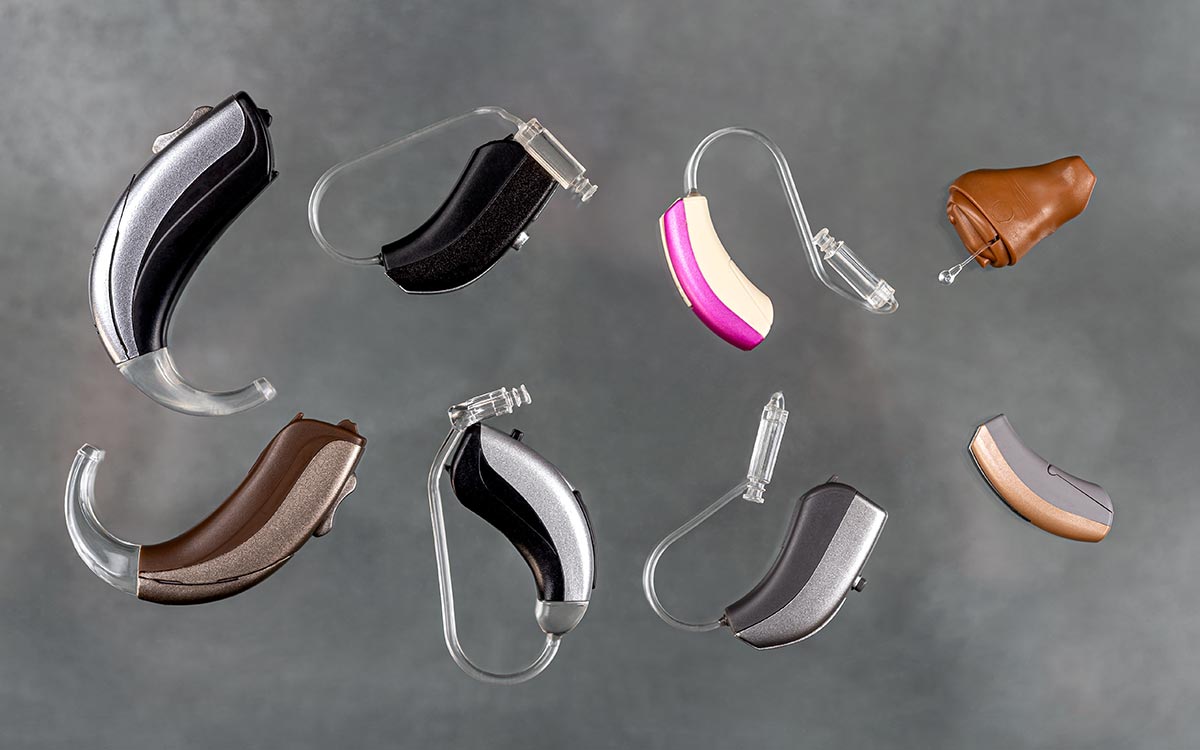
Choosing the right hearing aid can be a daunting task, given the vast array of styles, sizes, and technological features available in modern devices. But regardless of your needs, there’s a hearing solution for every lifestyle, preference, and degree of hearing loss. It’s just a matter of locating it!
Feeling positive about your selection begins with knowing how different hearing aids function and compare. In this breakdown, we look at current styles and the unique characteristics that define them.
Understanding ITC Models
The Definition:
These hearing aids are positioned partly inside the canal, making them visible only slightly from the outside.
The Advantages:
- More subtle than larger models
- Specifically contoured to the user’s ear for a better fit
- Designed to address low to mid-range hearing impairments
First-time wearers frequently lean toward ITC aids because they strike an ideal compromise between size and performance.
Ultra-Discreet IIC Devices
What they represent:
IIC models are the most miniature custom-fitted auditory solutions you can choose. This style fits deep in the ear for an entirely covert appearance.
Why they are popular:
- Maximum cosmetic discretion
- Natural sound quality due to mic placement
- Featherweight and easy
Due to their small stature, these aids are generally recommended for low-to-mid-range hearing loss and users who want total invisibility.
Understanding In-the-Ear (ITE) Units
The Basics:
ITE devices are built to reside in the outer ear area, offering two different shell sizes based on your anatomy. They are custom-made to match the contours of your ear.
Value Offering:
- The increased surface area provides space for extra functionality and extended power
- The physical size is easier to hold and adjust for users with fine motor concerns
- Effective for an extensive range of hearing impairments, ranging from mild to severe
The all-in-one nature of the ITE style makes it an ideal choice for those who dislike behind-the-ear equipment.
Exploring BTE (Behind-the-Ear) Styles
Operation:
BTE hearing aids sit comfortably behind the ear. These models use a custom earmold or tubing to direct sound inside.
Common Motivations:
- Regarded as one of the most dependable and robust designs available
- Work for almost all degrees of hearing loss
- Provide space for advanced features and rechargeable batteries
For those who value a dependable device that is easy to manage and provides plenty of volume, BTE is a top choice.
Modern RIC Devices
Component Layout:
The RIC design keeps the main body behind the ear while moving the receiver into the ear canal itself.
Market Interest:
- Minimizes the “plugged up” sensation for more pure hearing
- Offers an incredibly low-profile look that is easy for almost everyone
- A versatile solution that works for various degrees of auditory needs
The combination of style and high-end performance renders RIC models a top choice in the modern market.
Understanding Extended-Wear Systems
What they represent:
Extended-wear models are fixed devices that an expert fits into the ear for a duration of several weeks.
User Motivations:
- Eliminates the need to place in or take out the device every day
- Offers a 100% discreet solution for hearing health
- Built to endure the stresses of sleep, exercise, and showering without being removed
Extended-wear devices are ideal for patients who want a “set it and forget it” approach.
Smart Hearing Aids with Wireless
Digital Features:
Auditory aids with wireless connectivity that sync with smartphones, tablets, computers, and sometimes TVs.
Why people choose them:
- Turn your hearing aids into cordless earphones for all your favorite audio
- Adjust settings via an app
- Provides the ultimate in ease for people who use smartphones regularly
You can locate Bluetooth capabilities integrated into a variety of form factors, from RIC and BTE to custom ITC designs.
Surgically Placed Middle-Ear Solutions
Design Layout:
An implantable solution that works by shaking the tiny bones inside the ear to provide amplified audio.
Why implants are used:
- Provides a solution for individuals with anatomy that prevents the use of conventional aids
- Great for users who suffer chronic irritation from standard molds
These devices need a thorough medical review by a hearing, nose, and throat expert.
Finding the Hearing Aid That Suits Your Lifestyle
Selecting a hearing aid is an individualized journey that takes into account your hearing severity, lifestyle habits, and visual preferences. A hearing care professional can lead you through your options, answer questions, and help you experience how different devices look and feel.
Take the initiative for your auditory health by booking an expert evaluation today. Your future of assured communication starts with this first evaluation.
Sources:
https://www.mayoclinic.org/diseases-conditions/hearing-loss/in-depth/hearing-aids/art-
20044116
https://www.hearinglife.com/hearing-aids/types
https://www.nidcd.nih.gov/health/hearing-aids