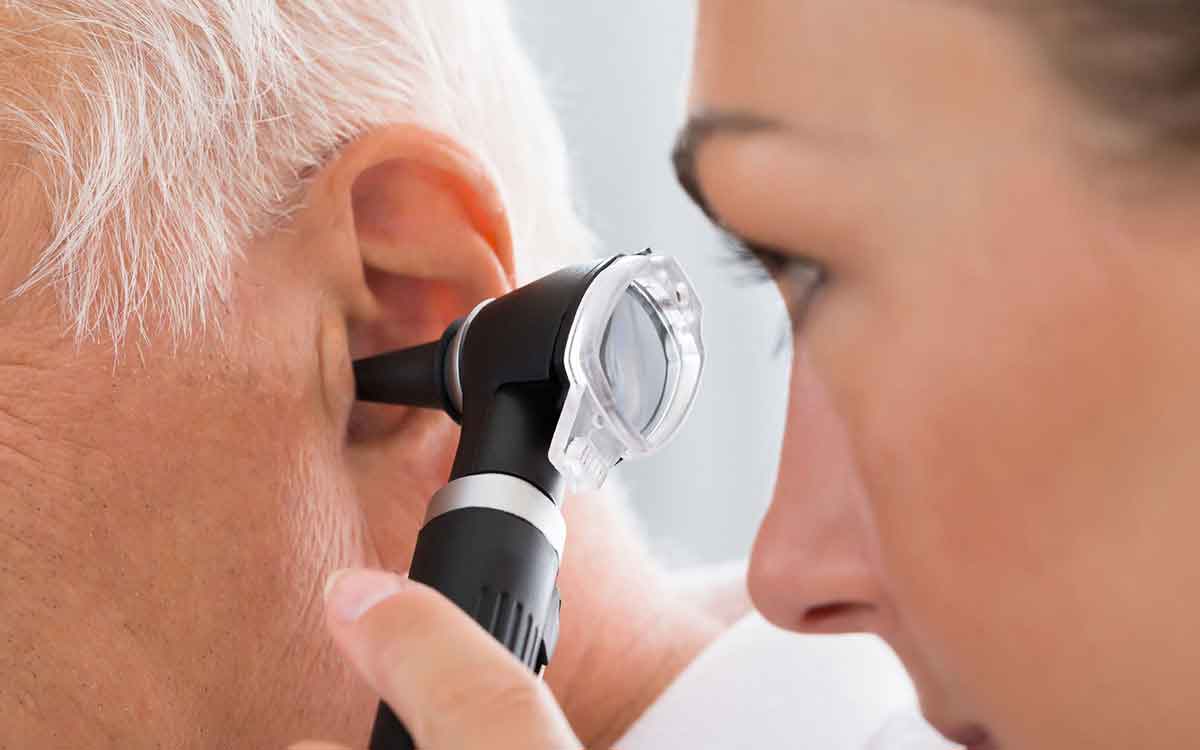
The insidious nature of hearing loss often causes preliminary symptoms to be overlooked. Many people adjust without realizing it by increasing the TV volume, asking others to repeat themselves, or avoiding crowded environments.
But recognizing the initial symptoms of hearing loss is a priority.
Recognizing Typical Early-Stage Hearing Loss Symptoms
If you observe any of the following symptoms, it may be time to have your hearing checked.
- Reduced clarity during dialogue within high-noise areas.
- A regular need of asking for verbal repetitions during conversation.
- The perception of muffled or slurred speech where sounds lack definition.
- Turning up the volume on the television and mobile devices higher than others prefer.
- Decreased perception of high-frequency acoustic signals such as bird songs or household alerts.
- The presence of tinnitus, characterized by ringing or buzzing in the ears.
- Mental drain after social events resulting from straining to follow speech.
- Isolating from communal environments as conversational tracking becomes difficult.
Initial symptoms of auditory decline might manifest in unilateral or bilateral patterns and fluctuate in frequency initially. Because the brain adapts quickly, many people don’t realize how much they’re compensating until hearing loss becomes more noticeable.
Hearing Loss By The Numbers
Data from the World Health Organization suggests that a vast population will need clinical hearing support by mid-century. Other noteworthy statistics include:
- By 2050, nearly 2.5 billion people are expected to have some degree of hearing loss.
- Over 5% of the world’s population (430 million people) necessitates support to address significant hearing loss.
- In excess of 1 billion young adults face the threat of permanent hearing loss due to hazardous acoustic habits.
- Among those over the age of sixty, more than one-quarter have clinically significant hearing loss.
Why Early Detection is Key
Failure to address auditory decline can affect general health and daily wellness.
Scientific data has linked hearing loss with higher incidences of withdrawal, mental health challenges, cognitive decline, and equilibrium problems.
Managing symptoms early allows for a broader range of interventions and better long-term outcomes.
An evaluation differentiates between age-related decline, earwax buildup, or underlying infections.
Occasionally, hearing shifts are temporary and resolve with intervention.
Alternatively, early use of hearing devices or preventative measures may mitigate further decline.
Indications for a Professional Hearing Evaluation
A professional screening is recommended under the following circumstances:
- Early signs last longer than a brief period.
- Hearing difficulties impact work, relationships, or daily activities.
- Instances of sudden decline, vertigo, or persistent ringing warrant urgent evaluation.
Hearing tests are painless and noninvasive, additionally they provide critical data into your hearing health.
Reach out to our professional team today if you think you could benefit from a hearing evaluation.
Frequently Asked Questions: Recognizing Auditory Decline
Q: Is hearing loss always age-related?
Answer: Not necessarily. Although presbycusis is prevalent, auditory shifts can stem from noise trauma, ototoxic drugs, or genetic factors.
Q: Can hearing loss be reversed?
Answer: Specific causes, including earwax blockage, may be susceptible to reversal through treatment. While other forms are irreversible, they can usually be managed with professional treatment or hearing technology.
Question: What is the recommended frequency for hearing screenings?
Answer: Clinical guidelines suggest a baseline evaluation by the age of 50, or earlier if symptoms of hearing loss are noticed.