When your hearing feels dampened, it can interfere with your daily routine and leave you feeling withdrawn from your environment. It is typical to assume that muffled sound signifies long-term hearing impairment, but the problem is often just a treatable earwax blockage.
Recognizing how to tell these two conditions apart guarantees you obtain the correct treatment, whether that is safe wax removal or a clinical hearing test. Avoid the urge to worry if your hearing feels abruptly reduced. While only an audiologist can verify the cause, reviewing these essential markers of earwax vs. hearing loss can provide immediate insight.
Recognizing the Markers of Earwax Blockage
Cerumen is actually a healthy, natural substance designed to protect the ear canal from dust and external debris. Problems arise when excessive wax builds up or becomes impacted.
Symptoms of a clog often feature:
- Gradual or sudden muffled hearing
- A feeling of ear pressure or a “plugged” sense
- Physical sensitivity or focused pain in the ear
- Persistent humming or hissing sounds
- Auditory clarity that shifts or improves momentarily with jaw movement
Cerumen-based hearing issues are often asymmetrical, affecting one ear rather than the other. Thankfully, extracting the blockage generally clears the signs instantly.
How Hearing Impairment Typically Presents
Unlike a brief blockage, sensorineural hearing impairment typically progresses slowly over decades and is not fixed by cleaning the ear.
Symptoms of actual hearing loss may feature:
- Difficulty comprehending speech, particularly in loud environments
- A constant requirement for speakers to speak more clearly or audibly
- Increasing the TV or phone volume louder than people desire
- Reduced responsiveness to higher-pitched auditory signals
- Auditory ability uniformly reduced in both ears
Contrasted with earwax buildup, hearing loss doesn’t typically cause a sensation of obstruction or pressure.
Key Differences at a Glance
By analyzing the timing and specific markers, you can often determine which condition is affecting you:
- Timing: Earwax issues often appear suddenly; auditory impairment develops slowly
- Longevity: Wax issues are fixable and short-term, whereas impairment is typically chronic
- Symptoms: Fullness and discomfort indicate wax; speech clarity issues suggest loss
- Asymmetry: Wax often impacts one ear; hearing loss frequently impacts both
Why Clinical Consultation is Crucial
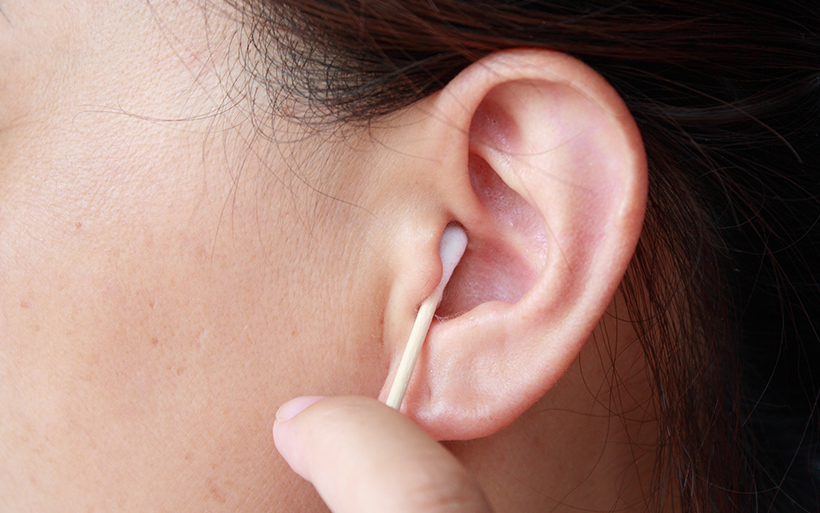
When auditory input feels dampened, the natural desire is to use a Q-tip, but this is often a dangerous move. In reality, physical probing often compresses the wax further against the eardrum, making the impaction worse.
Clinical data indicates that DIY removal often results in unintended injury or increasingly difficult-to-treat blockages.
On the other hand, presuming a concern is just wax when it is truly auditory impairment can hinder you from getting the assistance you require to remain connected.
How a Professional Exam Helps
A brief professional exam is the primary way to verify if cerumen is truly the cause of your muffled hearing.
When wax is the issue, clinical irrigation or clinical removal delivers instant resolution.
When the ear is unobstructed but auditory input remains muffled, a clinical test is necessary to audit your auditory integrity.
Medical experts advise seeking a clinical evaluation as soon as you observe auditory fluctuations that affect your routine.
Finding the Right Solution for Better Sound Quality
Feeling as if auditory signals are muted may not always signify a permanent loss.
It is often the case that a simple, resolvable obstruction is the source of the concern.
Seeking expert care ensures you find the specific source and the right remedy for your hearing needs.
In the end, an audiology consultation is the single reliable way to distinguish between a fleeting blockage and a permanent change.
Treating the concern immediately halts the stress of the unknown and places you on the track to improved auditory function.
Rather than guessing what is wrong, schedule a quick consultation with our audiologists to get the truth.